
In 2026 the selling point of magnetic power banks is shifting from "thinner" to "safer". A batch of new models use semi-solid-state (gel electrolyte) cells instead of traditional liquid lithium-ion. This isn't a gimmick — the gel electrolyte cuts leak and thermal-runaway risk, making it the safety pitch vendors lead with after China's GB 47372-2026 landed.
Start with the physics. A liquid cell that shorts internally releases heat violently and can cascade into thermal runaway; a semi-solid cell uses a higher solid-ratio gel electrolyte — ion path stays, but flammable content drops, so thermal stability is better. BloombergNEF's 2026 battery outlook lists semi-solid and solid-state as key tracks for storage and consumer electronics, with safety and energy density together as the core pitch.
What it means for daily use
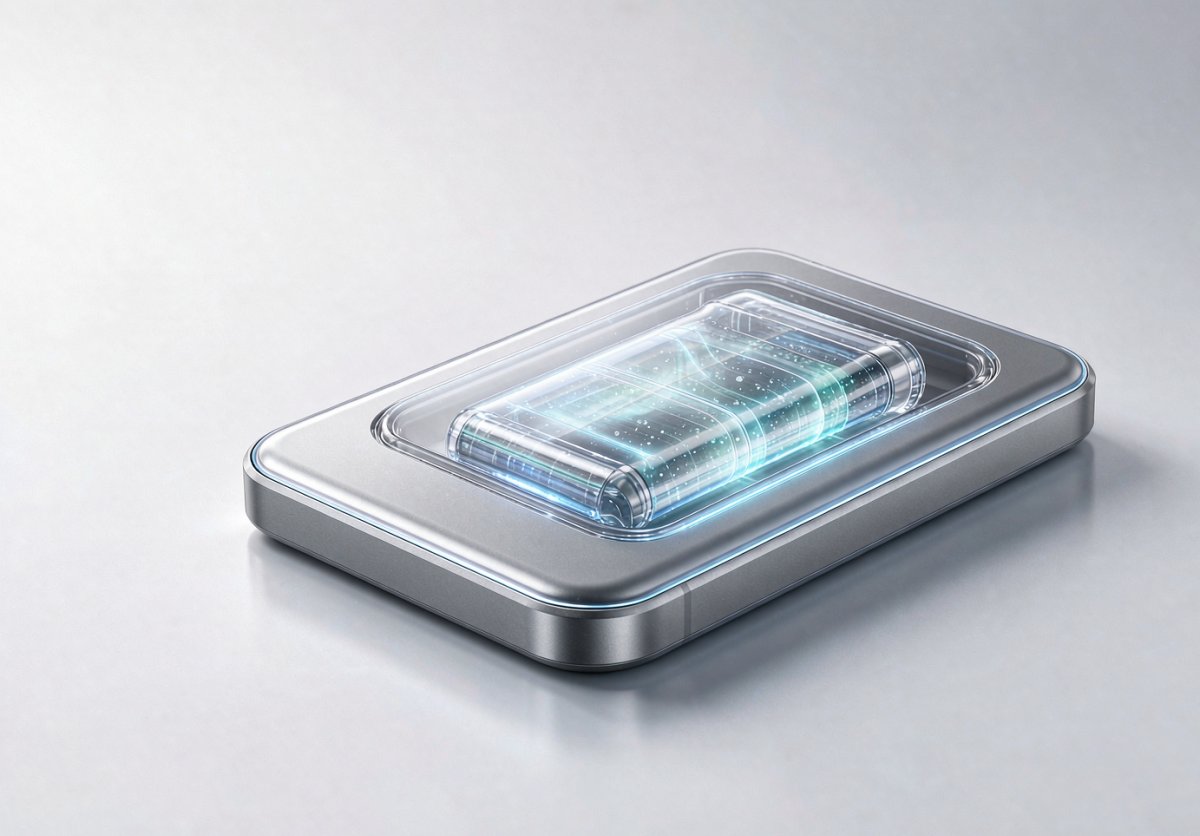
For ordinary users, the most visible win from semi-solid is "less likely to get hot". Wireless charging itself loses 30%+ of energy, so the body already runs warm; a semi-solid cell with PID thermal control plus graphene or aerogel padding can hold fast-charge surface temp near 40°C. Android Authority's 2026 magnetic-bank roundup also ranks "thermal" as important as capacity and wattage when buying. Yes, semi-solid still costs more and shows up mostly in mid-to-high-end models, but it moves "safe and compliant" from a bonus to a floor.
One line: picking a magnetic power bank, don't just stare at capacity and thickness. Look for Qi2.2 certification, check the GB 47372-2026 thermal floor, and ask whether the cell is semi-solid — those three questions dodge most no-name and overstated units.
© SWPO. All rights reserved.