
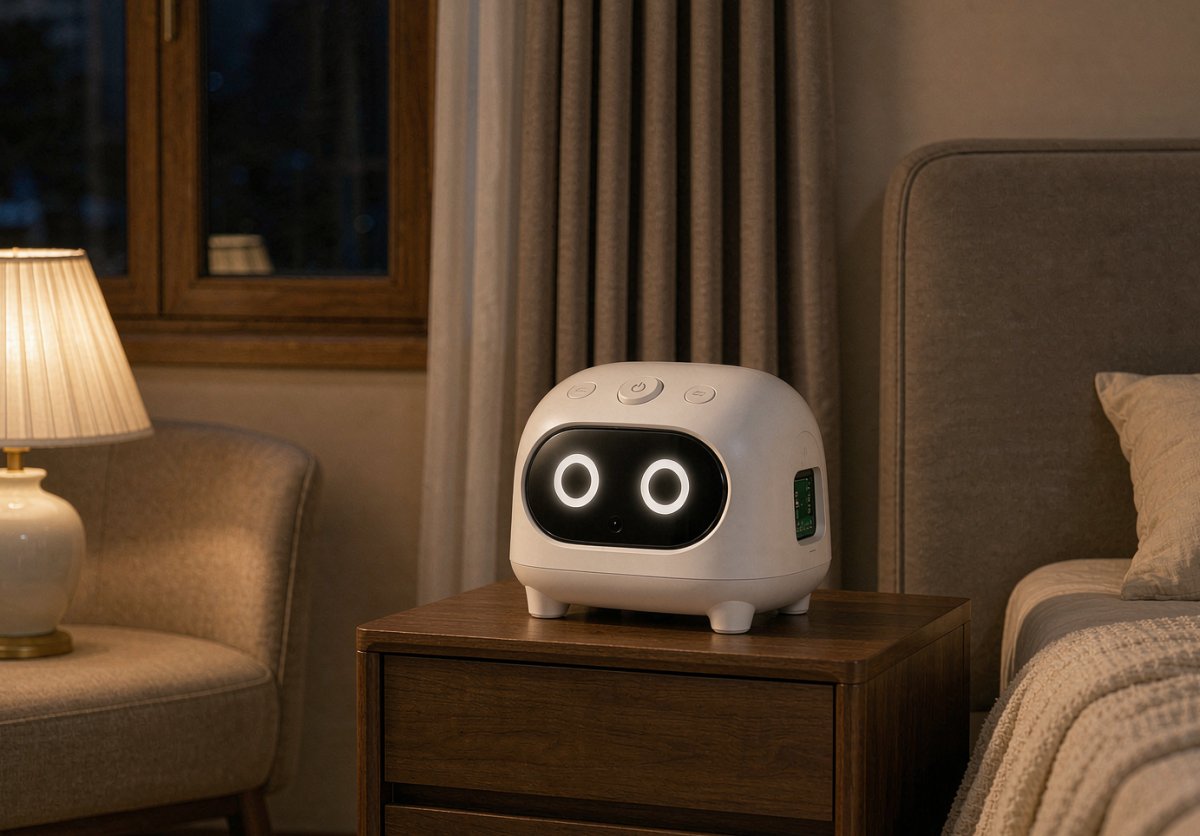
In 2026 AI companion hardware moved from geek toy to mass retail. Capital, toy makers and phone brands are all piling in. But the interesting part isn't how many new gadgets launched — it's where the money actually flows, who is building seriously, and whether the nerve that worries parents most — privacy — is being handled.
Start with the size. Open Source Securities, citing BeyondChips (Beizhe Si) data, puts the global companion-robot market at about 75 billion yuan in 2023, heading to 304.3 billion by 2029, a 25.56% CAGR for 2024–2029. Children's AI plush toys get an even bolder outlook — a neutral case of 32.3 billion yuan by 2027. On another track, the smart AI toy market was about $3.14 billion in 2025, projected at $4.33 billion in 2026 and possibly past $26.2 billion by 2032 (around 37% CAGR). The numbers differ by definition, but the direction is the same: this lane is accelerating.
Money splits into two products: kids' AI toys and adult companions
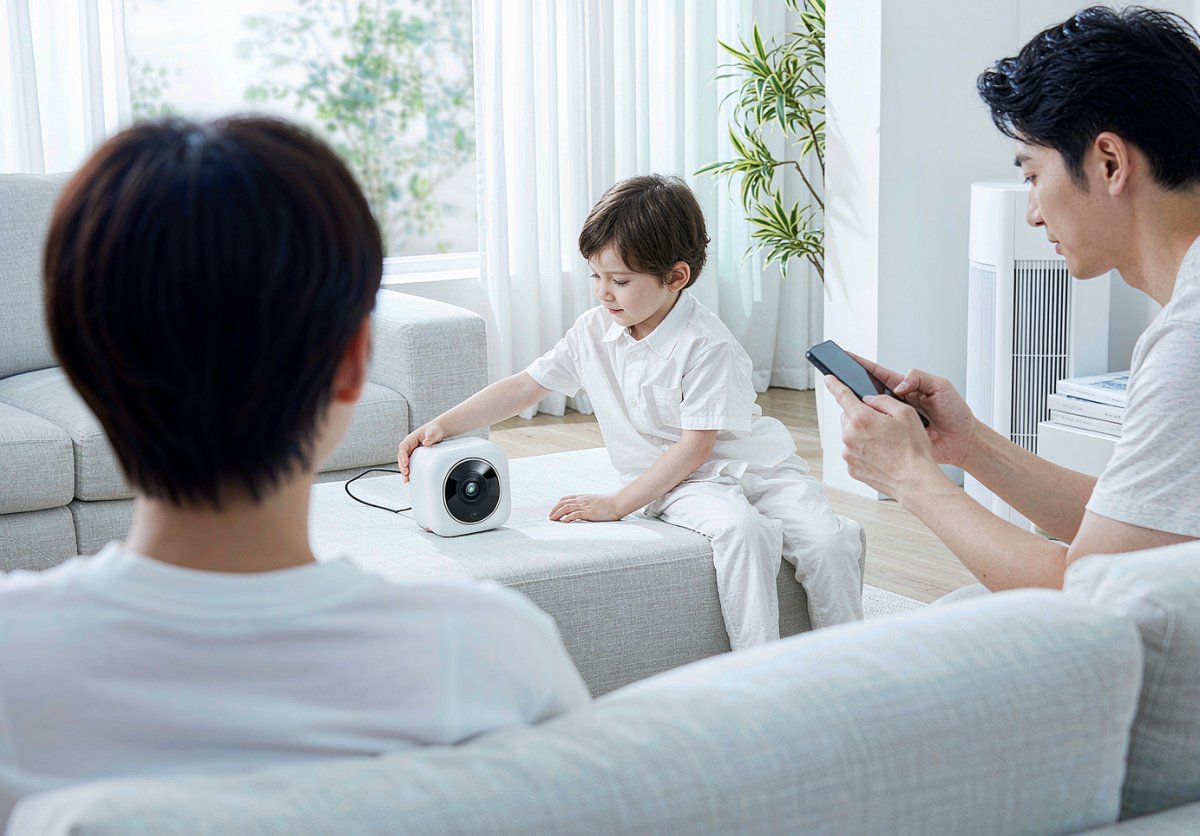
The money clearly splits two ways. One is children's AI toys — strong interaction plus IP, priced from just over 100 to 400–500 yuan; FoloToy's AI cactus, Yueran Innovation's BubblePal and Tomcat's AI companion robot sit here. The other is companion robots for adults, priced 900–2,000 yuan, with Looi's desktop robot and CASIO's Mofin pet robot as examples. Overseas commercialized earlier: Miko, from 2017 to early 2024, sold nearly 500,000 units across 100-plus countries; Curio launched OpenAI-powered toys for ages 3–12 in late 2023 at $99. Plainly, what sells has either an IP or a real sense of presence.
But parents' nerve stays tight — privacy. A companion device with a mic and camera raises the unavoidable question of where the recorded voice and video goes, how long it's kept, who can see it. DataInsightsMarket's 2026 industry analysis lists data privacy and security as the biggest hurdle for this lane. In China, the Interim Measures for Anthropomorphic AI Interaction Services took effect on 15 July 2026, requiring a minor mode, time limits, parent acknowledgment, and banning virtual intimate relationships for minors. One line: regulators have already put "kids and cameras" on the table.
So in 2026, don't just count new AI companion gadgets. The real separation is three things: can IP and content keep being supplied, can on-device processing keep privacy local, and does the parent dashboard actually hand over control. Kids' AI toys will scale first in the short run; adult emotional companionship is the bigger pool long term — but that pool has to clear the privacy and parent-trust gate first.
© SWPO. All rights reserved.