
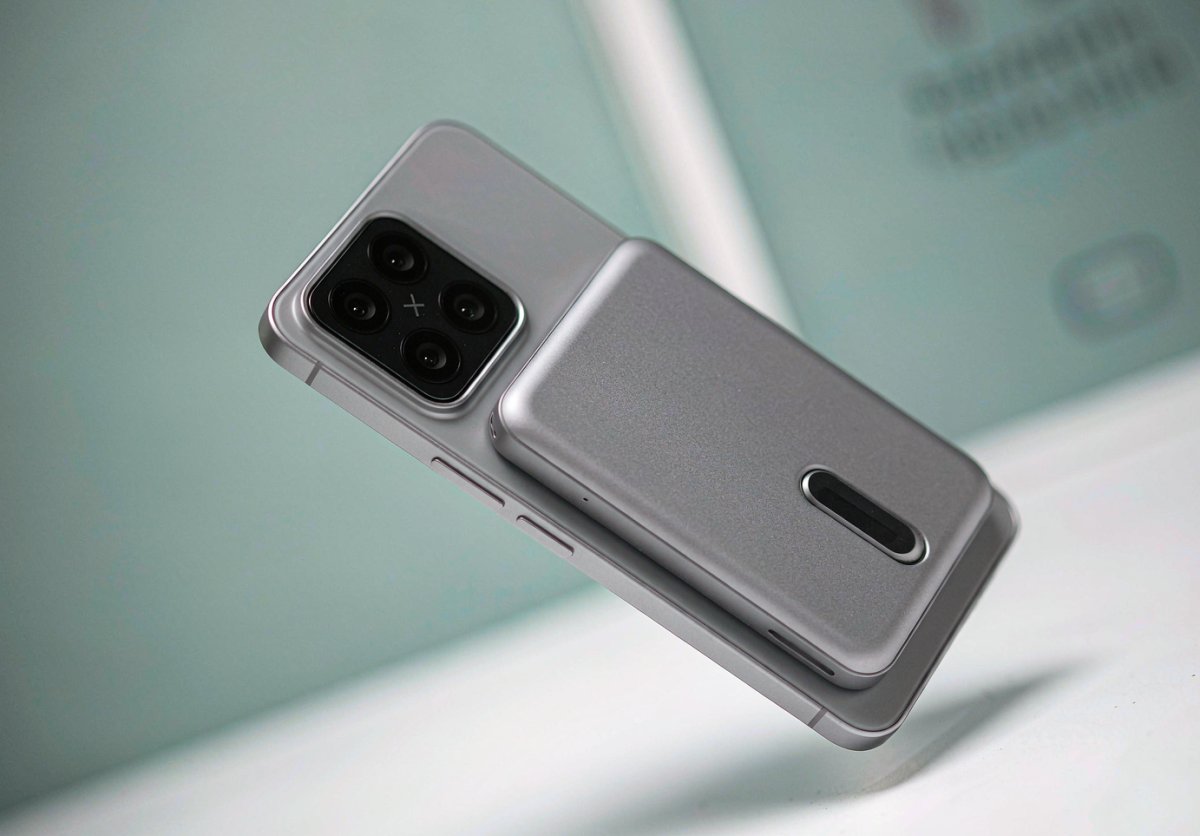
Magnetic power banks have gone from "emergency backup" to a permanent resident of many bags. But the shelf is also full of traps — two products both labeled "magnetic" can be worlds apart: one does real 15W and peaks at 25W, the other quietly sits at 7.5W and fakes MagSafe compatibility. Don't shop by capacity and price alone. Three things come first: wattage, capacity, cooling.
Wattage is the first gate. In 2026 Qi2.2 pushed magnetic wireless charging to a 25W peak, yet plenty of older 7.5W units are still on sale. Before buying, look for Qi2 Certified (that's your 15W full-speed wireless) and China's 3C mark (electrical safety); the high-end tier can chase 25W Qi2.2. For wired, start at 20W USB-C PD, and 30W+ gets an iPhone to roughly half in 30 minutes. One line to remember: a "magnetic" bank with no Qi2 badge is almost certainly slow.
Capacity follows the scenario, not the biggest number
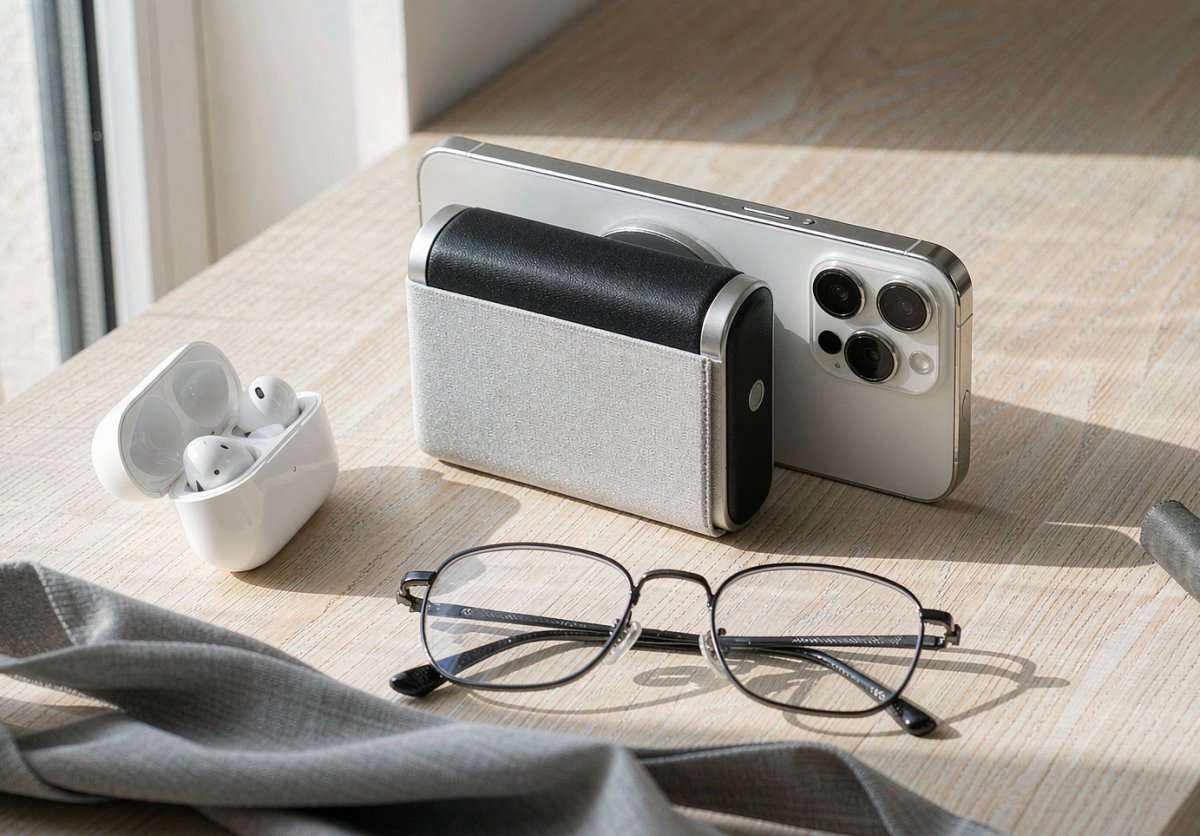
Capacity follows the scenario, not the biggest number. For a daily commute and short top-ups, 5,000mAh is thin and light enough. For a full day out, or to cover a phone plus a small gadget, 10,000mAh is the safer bet — about two iPhone top-ups. But wireless loses energy: real-world wireless output is only around 60–65% of the rated capacity, so a 10,000mAh magnetic bank actually delivers about 6,000–6,500mAh over the air. Don't let the big printed number fool you; what matters is the part you can actually use wirelessly.
Cooling is the invisible dealbreaker. GB 47372-2026 — released April 2026, mandatory from April 2027 — bakes nail-penetration, high-temperature, crush and flame-retardant tests into the power-bank safety floor, and fast-charge surface temp is generally held under 45°C. Big brands hold the line with PID thermal control plus graphene or aerogel padding: the Baseus PicoGo AM52 peaks around 39°C, and Anker's MagGo uses ActiveShield to keep things near 40°C. Outdoor heat in summer makes it warmer, sure, but a compliant unit's thermal design is mature enough for normal use — no need to scare yourself.
Run through this checklist and you're done:
- Two certificates: Qi2 Certified + 3C, neither optional;
- Pull force: ≥10N bare-device, 12–15N better so it stays on with a thick case;
- Wattage: 15W wireless is the floor, 25W Qi2.2 is the bonus; 20W PD wired minimum;
- Capacity: 5,000mAh for commute, 10,000mAh for all-day;
- Thermal: look for GB 47372-2026, surface ≤45°C while fast charging;
- Extras: built-in cable, kickstand, display — only pay for what you'll use.
Honestly, the magnetic power bank category is shifting from "just charges" to "safe and compliant first." After the 2026 standard landed, 300-plus small no-name makers exited and the industry's failure rate dropped to single digits. So skip the cheap no-name banks, hold the line on certification and thermal control, then pick capacity by how often you commute or travel. If you want zero thinking, go with a major brand that's Qi2.2 certified and you'll mostly avoid the landmines.
© SWPO. All rights reserved.