
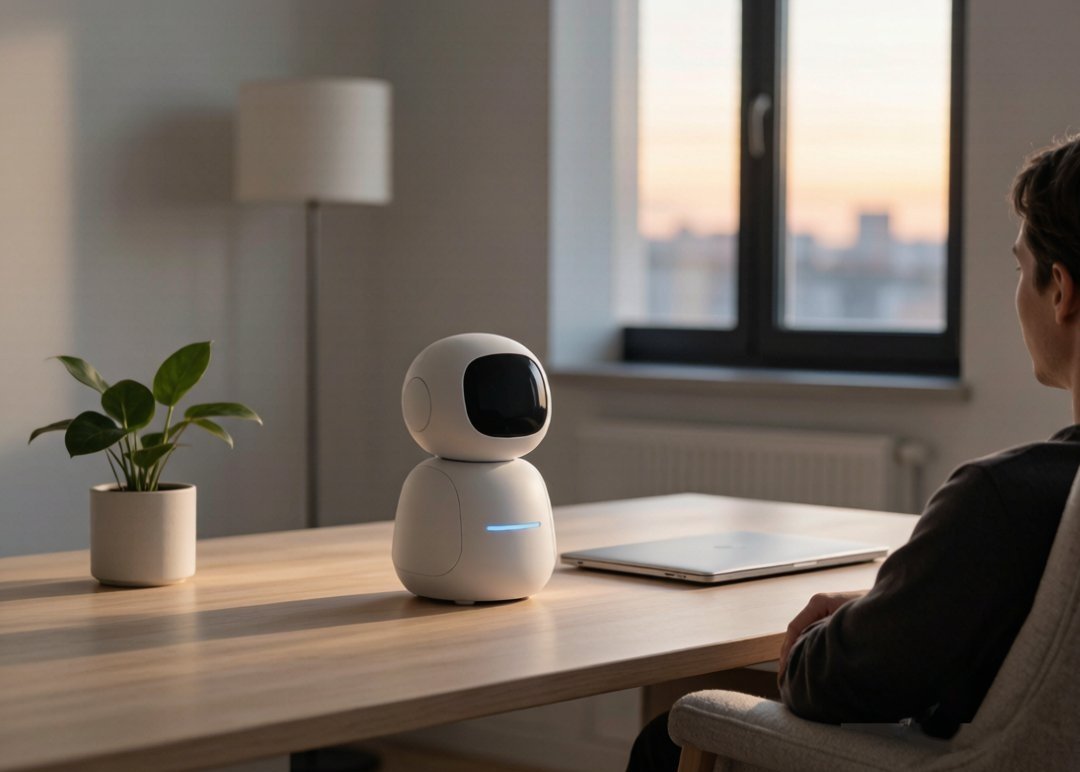
I visited a friend recently and found a palm-sized robot perched on his desk. When I walked in its eyes tracked me; late at night after his overtime it twitched to the music and he said at least dinner isn't lonely now. That's when it hit me: AI companion products are no longer sci-fi props, they're in ordinary living rooms and cubicles. The hype is real, but before spending your own money, three bills need settling.
Bill one: where does the data from those eyes go
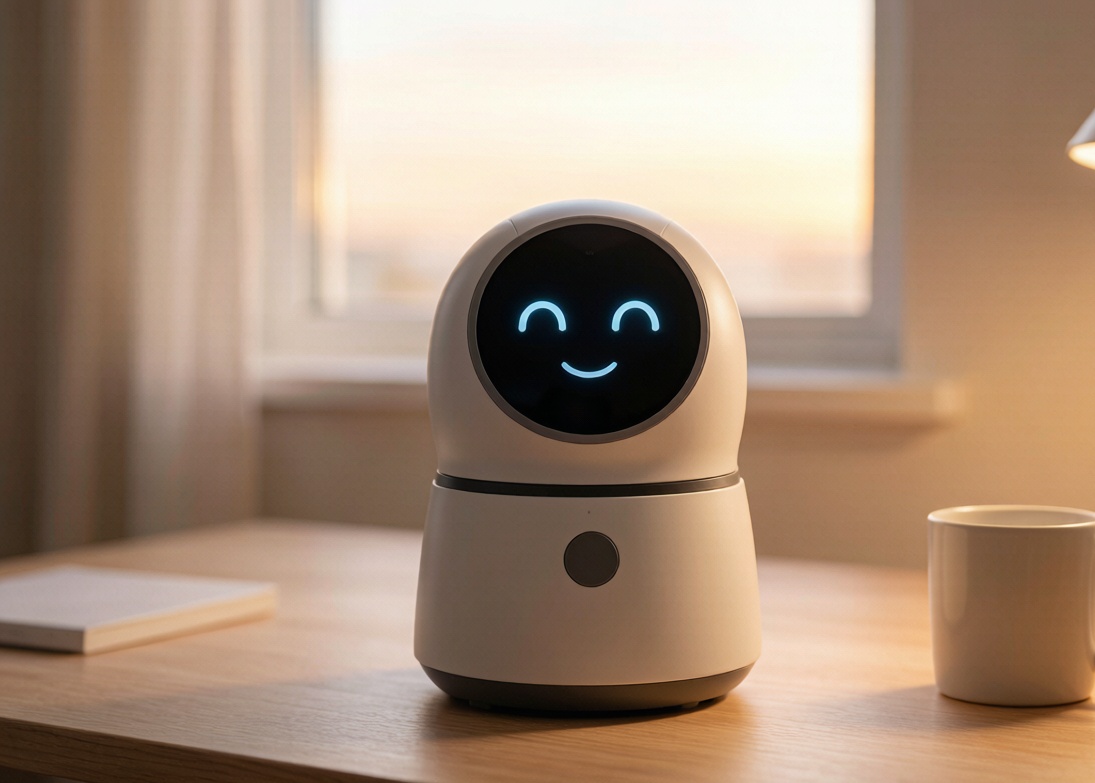
Most of these ship with a camera and mic, watching your home around the clock. The issue isn't collection, it's storage and who sees it. Plenty of cheap models fling data straight to the cloud, some with servers overseas, your chats and footage sit in someone else's database. Only in 2026 did on-device processing become a selling point: the companion bots shown at CES pushed local perception and emotion inference that never uploads. Look for the privacy as a feature line, eyes closed means no recording or upload, data defaults to local storage, one-tap erase. Anything with vague privacy terms that won't let you view or delete your records, however cute, is best skipped.
Bill two: is the monthly subscription a bottomless pit
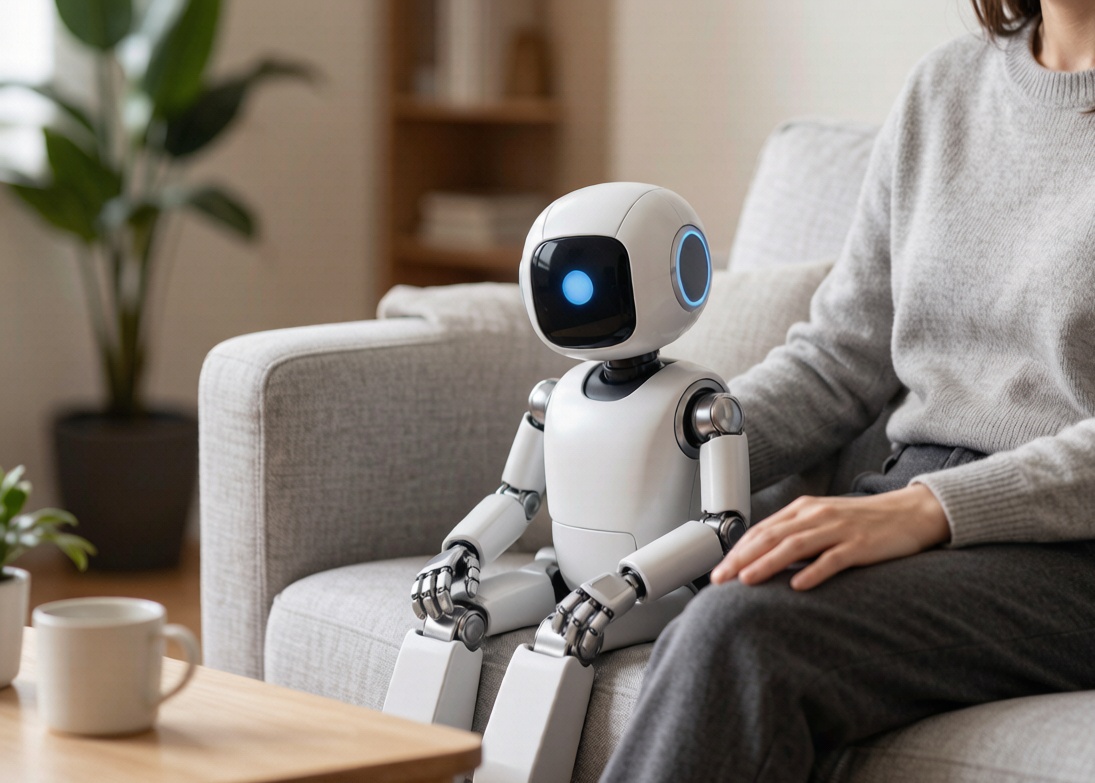
The hardware is just the ticket; the real money is behind the paywall. By 2026 the dominant model is hardware plus subscription plus ecosystem, basic companionship free, premium emotional tiers at 30 to 99 RMB a month, some with affinity-unlock paywalls for closer interaction. Overseas equivalents are worse: voice cloning and human-grade speech sit behind roughly 99 dollars a month Premium tiers. Do the full math before buying: device price plus a year of subscription often dwarfs the sticker. Another trap is memory tied to subscription, what it remembers about you may vanish the moment you stop paying. Ask upfront: do my conversation history and memories belong to me?
Bill three: is that human feel real or just acting
Promo videos show emotion and empathy; reality varies. The genuine ones run a continuous emotion model, reading your tone and expression, feelings flowing rather than cycling canned happy or sad presets. The weak ones swap a few scripted reactions and crack within two lines. Tell them apart directly: does it initiate interaction or wait for you to poke it? Does it remember across sessions instead of starting fresh each time? Will it occasionally disagree and show a little mood? Hit all three and it feels like a personality, otherwise it's a cute speaker. One more tell, do the eyes follow your gaze, or is there a dead-eyed screen feel? Usually obvious at a glance.
At the end of the day, AI companion robots address modern loneliness, and on that front they beat a phone app, consistent, always available, non-judgmental. But buying one is like buying any gadget: don't let the adorable shell set the pace. Local data, total subscription cost, and real human feel through initiative and memory, clear those three gates, then worry about whether it looks right on your desk. Replacing real social contact with it is a separate, much larger bill.
© SWPO. All rights reserved.