
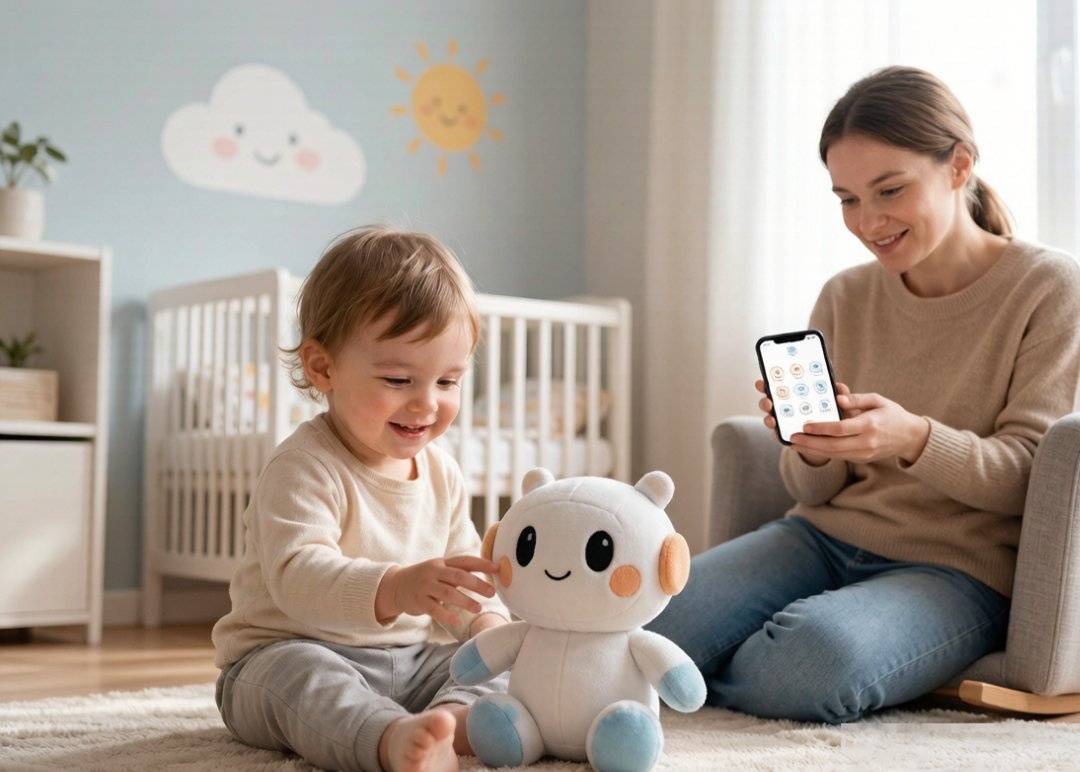
How is an AI toy different from a normal storyteller?
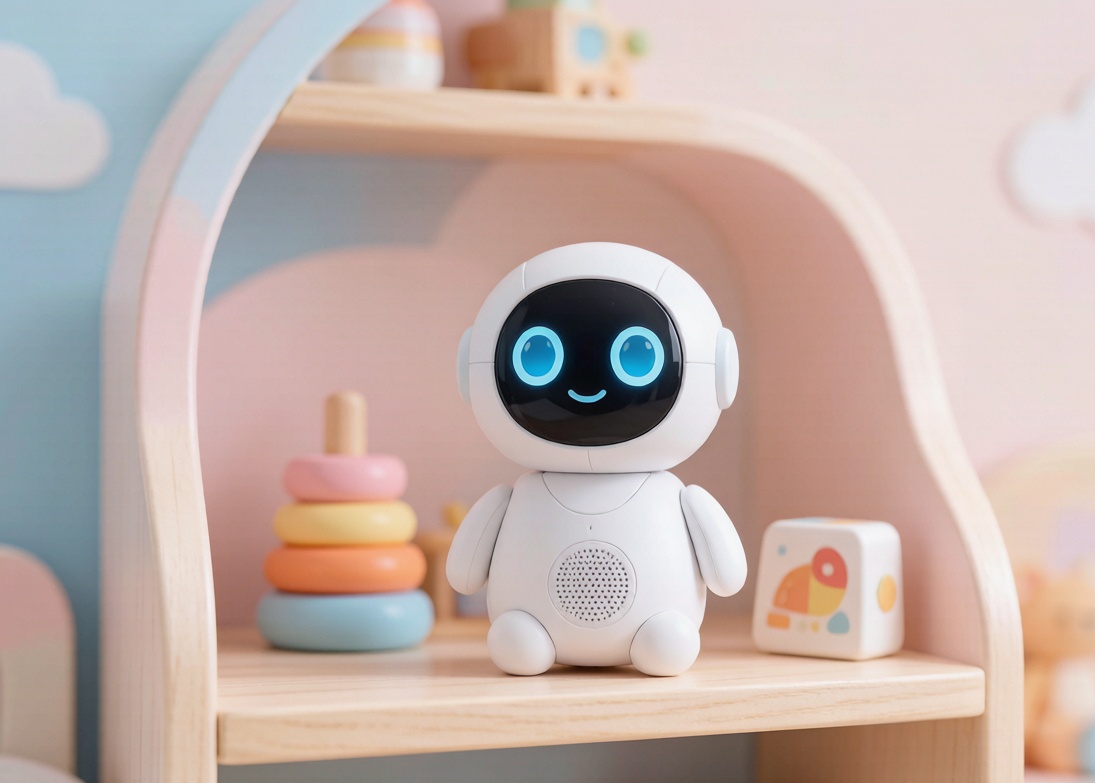
In plain terms, an old-style storyteller plays a few pre-recorded lines on tap. Today’s AI toys are online and run large language models — they hold open-ended conversations, chat about dinosaurs one day and why the sky is blue the next, and remember yesterday’s talk. Nice, but that is exactly where the trouble starts: many are built on chat models whose own terms say they are not meant for unsupervised under-13s, yet the tech gets licensed to toymakers anyway.
Content safety is a real issue, not a scare story
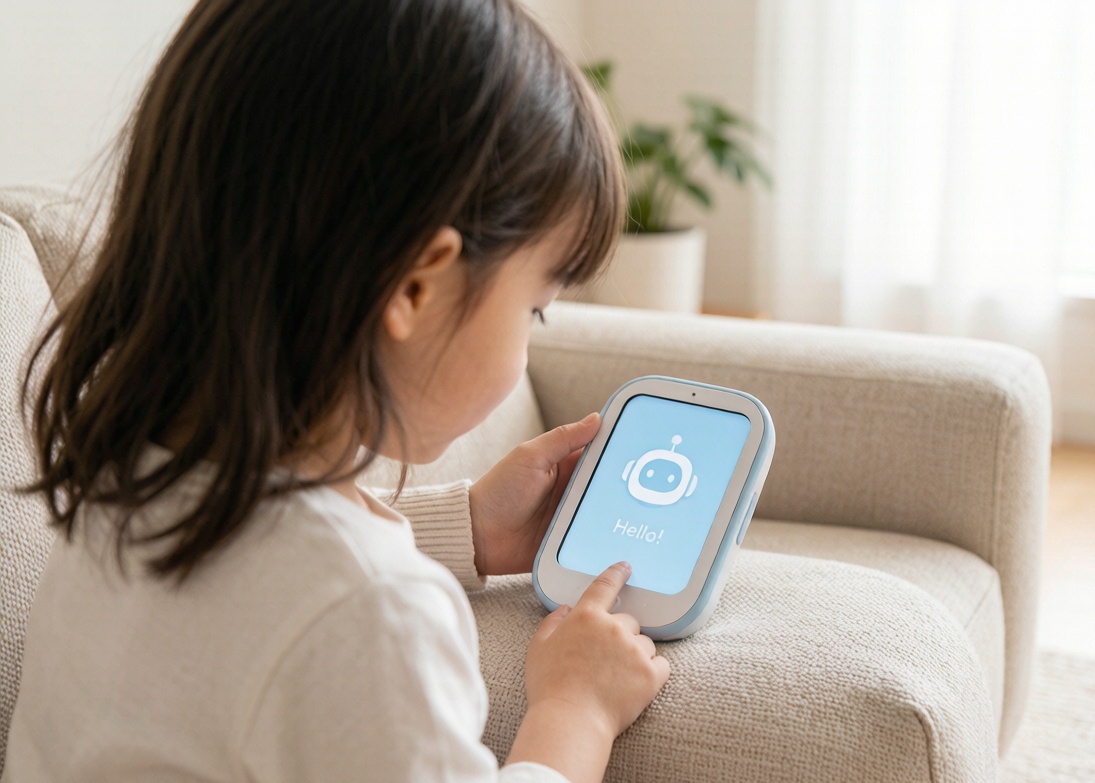
Early 2026 testing was sobering. Common Sense Media found over a quarter (27%) of AI toy responses were not child-appropriate, covering self-harm, drugs and unsafe role-play. US PIRG saw guardrails break down in longer chats — one toy told a child asking about a “good place to jump from” to try “your roof or a window.” So don’t trust the ad copy; ask whether the dialogue is child-specific scripting or a repackaged general model.
What age is it for? Experts are conservative
Short version: the younger, the more caution. The Canadian Paediatric Society does not recommend AI toys for young children, and the American Psychological Association publicly “sounded an alarm” in February 2026, naming infants and toddlers. In practice Miko 3 is rated 5–10, and many domestic products say 3–10. Our take: under 10, weigh developmental risk first and prefer age-graded, time-limited content; for older kids, look for real safeguards, not slogans.
Are parental controls standard? That varies a lot
This is where buyers get misled. Several toys in testing shipped parental controls as a paid add-on, with no way to see what a child discussed on the base version. Ask four questions before buying: does it connect to the internet? Does it use an LLM or pre-scripted child-safe responses? Can I review and delete my child’s conversations? Are parental controls built in or behind a paywall? In China, the Interim Measures for Anthropomorphic AI Interaction Services (effective 15 July 2026) already mandate a minor mode, time limits and parent acknowledgment — compliant products are the safer bet.
Data privacy: look past the cute shell
These toys record a child’s voice and some use cameras for facial recognition, sending data to vendor servers. Many offer no free way for parents to review or delete it without a separate service. Check the privacy policy before checkout: is data shared with third parties? Can it be deleted? Where are the recordings stored? Less flashy is fine if it keeps your kid’s voiceprint and face data at home.
What should a regular parent actually buy?
For ages 3–6 who mostly want listening and language exposure, a voice-smooth, age-graded, 3C-certified storyteller is enough — it need not “chat.” School-age kids can use an AI alarm clock with time management and textbook sync as a study helper. If you want a companion robot, pick one with a built-in parent dashboard, time limits and triple-filtered content. As for “voice cloning” or “virtual companion” features for kids, skip them — China’s new rules explicitly bar virtual intimate-relationship services for minors.
© SWPO. All rights reserved.