
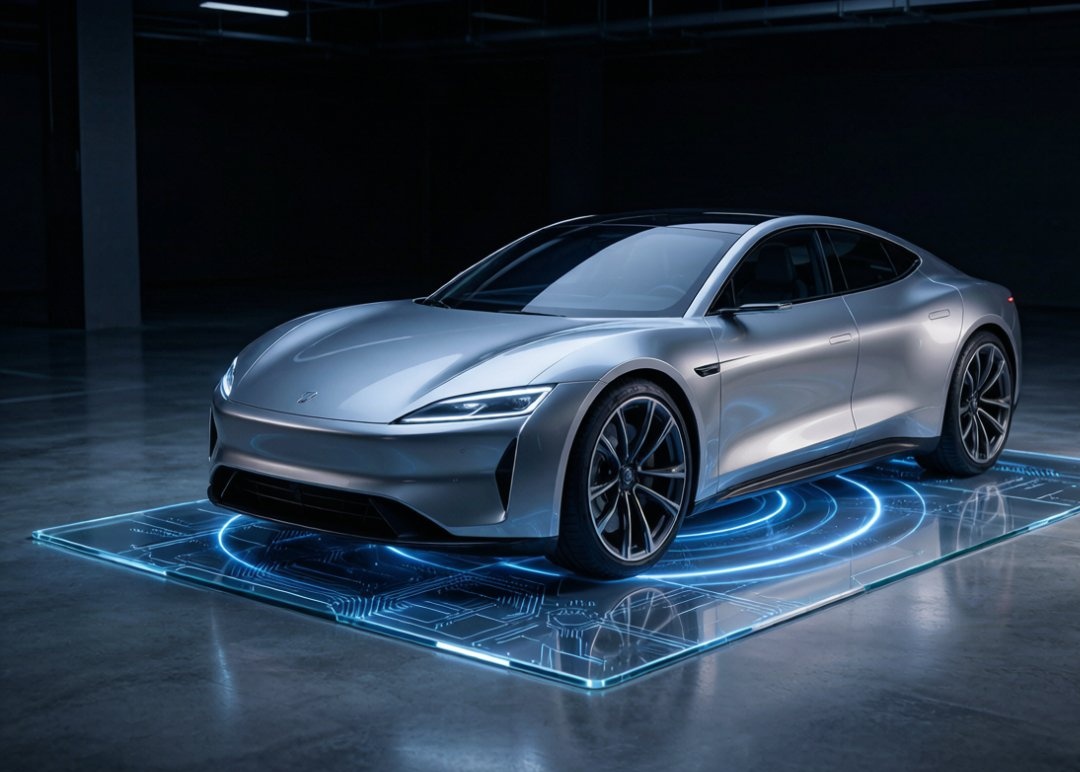
Wireless charging used to mean one thing: drop your phone on a pad at night. In 2026 the industry wants more, a goal people call invisible power, energy you do not see but is always there. What is interesting is that China and the West are now clearly taking two different roads toward it.
1. China is building charge-while-driving highways
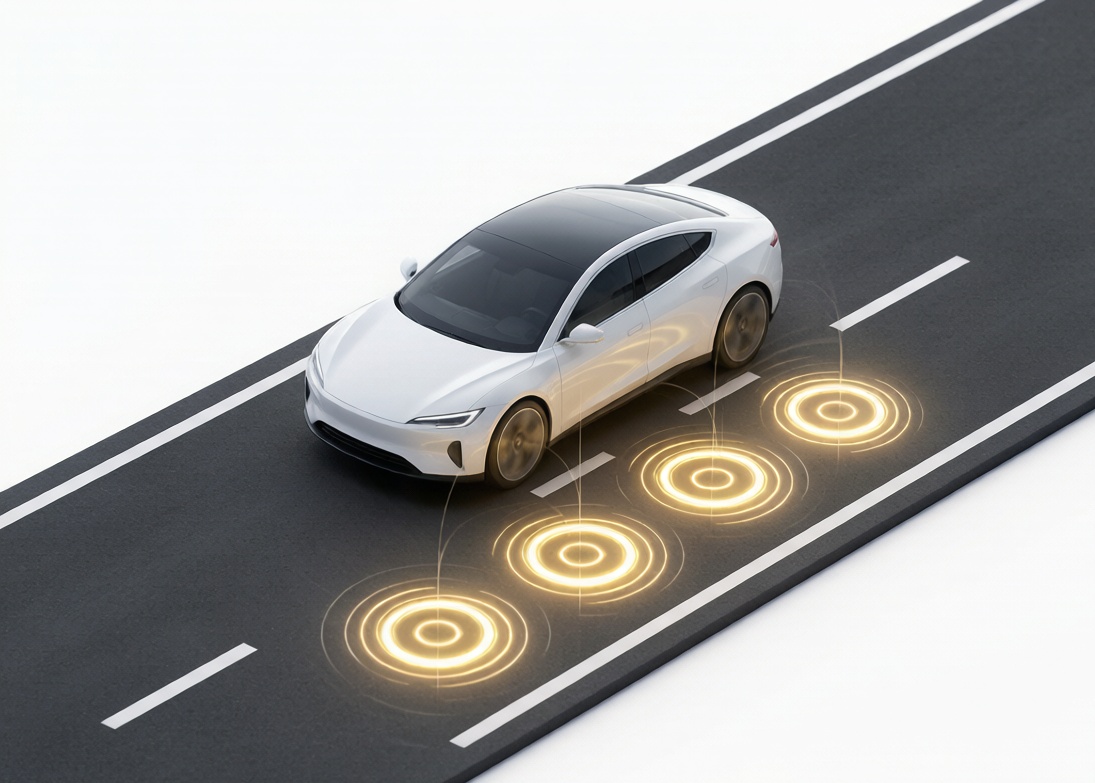
China went for physical infrastructure. Demo sections of the Hangzhou-Shaoxing-Ningbo and Beijing-Hong Kong-Macau expressways already run dynamic wireless charging lanes. A car moving at 100 km/h can pull a steady 150 kW, adding 80 km in 5 minutes at about 85 percent efficiency. The China Electricity Council plans 2,000 km of such roads by the end of 2026, aimed first at logistics and buses. The logic is simple, do not stop the car, charge it while it moves.
2. The West is betting on over-the-air and spatial power
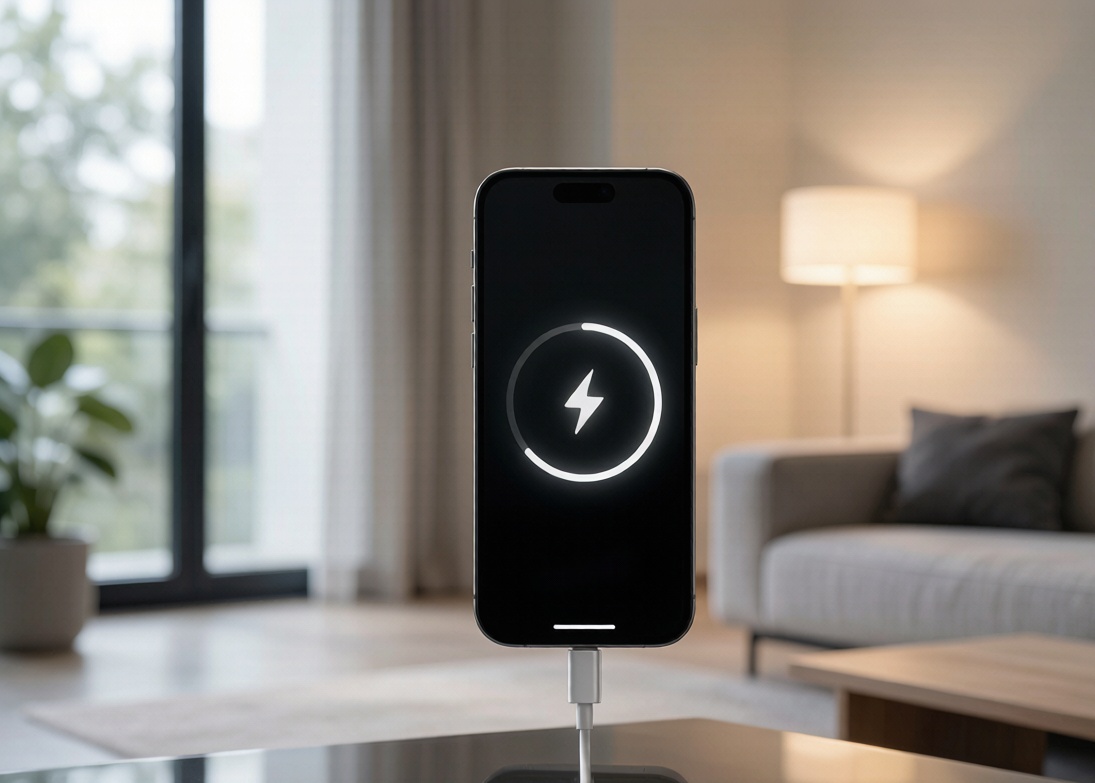
Europe, the US, Japan and Korea lean toward contactless, distance charging. The representative one is AirFuel's RF approach, where a device a few meters from a charging surface slowly tops up. South Korea's Chungnam National University demonstrated an infrared method reaching several meters and charging multiple devices at once. The appeal is obvious, phone on the desk, watch by the wall, no alignment needed, but power is still small, mostly a few watts, nowhere near charging a car.
3. Where each road gets stuck
Dynamic highways cost money and time, burying coils, powering them, keeping them safe, every kilometer is expensive, so buses and logistics go first, private cars wait. Over-the-air fights the distance-efficiency tradeoff, the farther the beam, the more energy scatters, real delivered power stays low, materials and algorithms are still the bottleneck. One wins on working today, the other on imagination.
4. When do normal users get it?
The nearest real thing is static in-car wireless charging. BMW, Mercedes and Tesla 2026 high trims ship it standard or optional, and in China BYD cut its home wireless charging kit price by about 40 percent to reach the sub-100k car segment, park and charge, no plug. Dynamic highways and over-the-air are more like a five-year horizon, the former through logistics and buses, the latter through showrooms and airport lounges. For now, buy Qi2.2 gear and enjoy the boring, reliable drop-and-go, do not chase the future demo.
5. One line to sum it up
China is wiring wireless charging into the road, the West wants to spray it into the air. Both move toward invisible power, just at different pace and style. As a user, stick to the open Qi2.2 standard, and when the road and the air both connect, your devices will follow.
© SWPO. All rights reserved.