
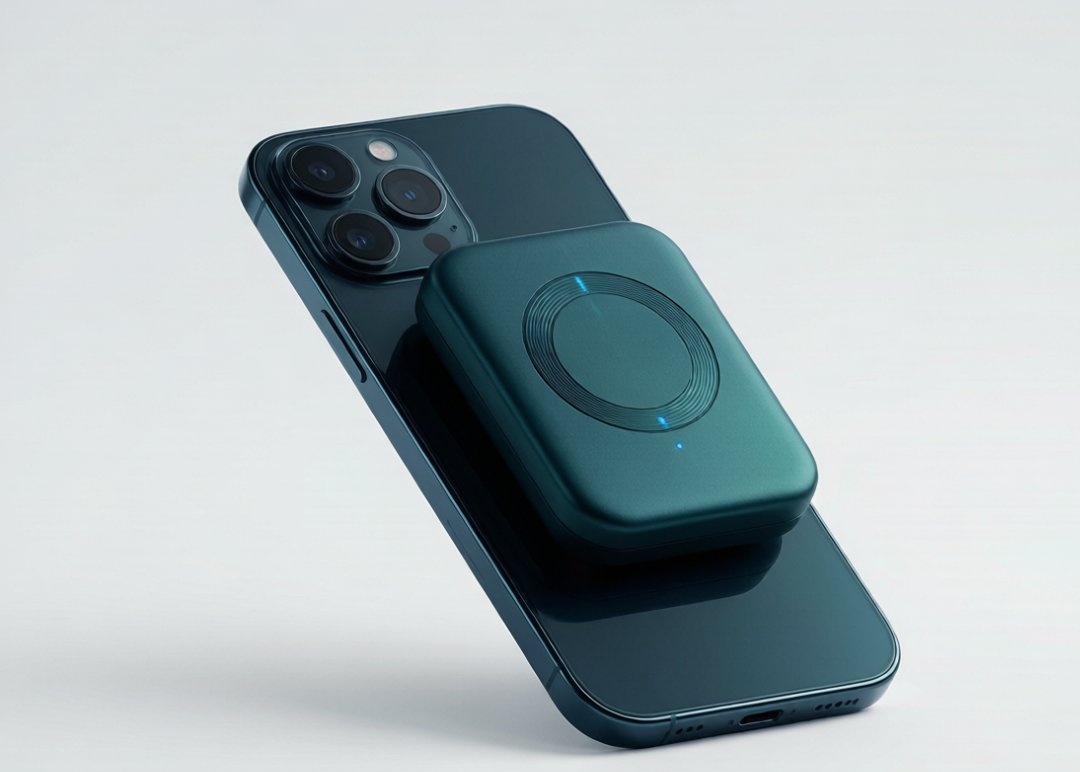
Why Are Magnetic Power Banks Getting So Thin?
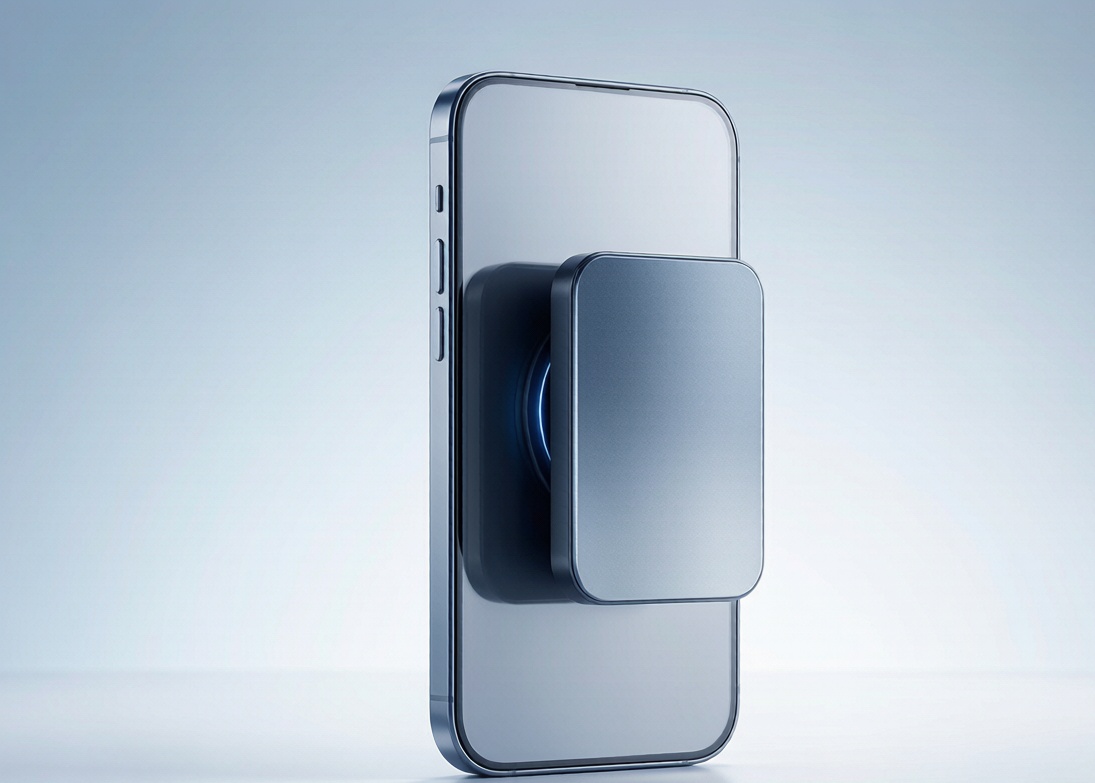
The answer is the cell. Graphite anodes run about 200–250 Wh/kg, but the silicon-carbon composite anodes shipping in 2026 reach 300–400 Wh/kg — same capacity in a smaller, lighter package. Xiaomi's magnetic bank fits 5000mAh into a 6mm, 98g body; a few years ago “thin” usually meant “inflated capacity,” now it means better chemistry, not cut corners. For factories doing wireless charger manufacturing and sales, silicon-carbon cells are how you slim a product down without sacrificing runtime.
How Precise Is the Magnetic Alignment Now? Will It Fall Off?
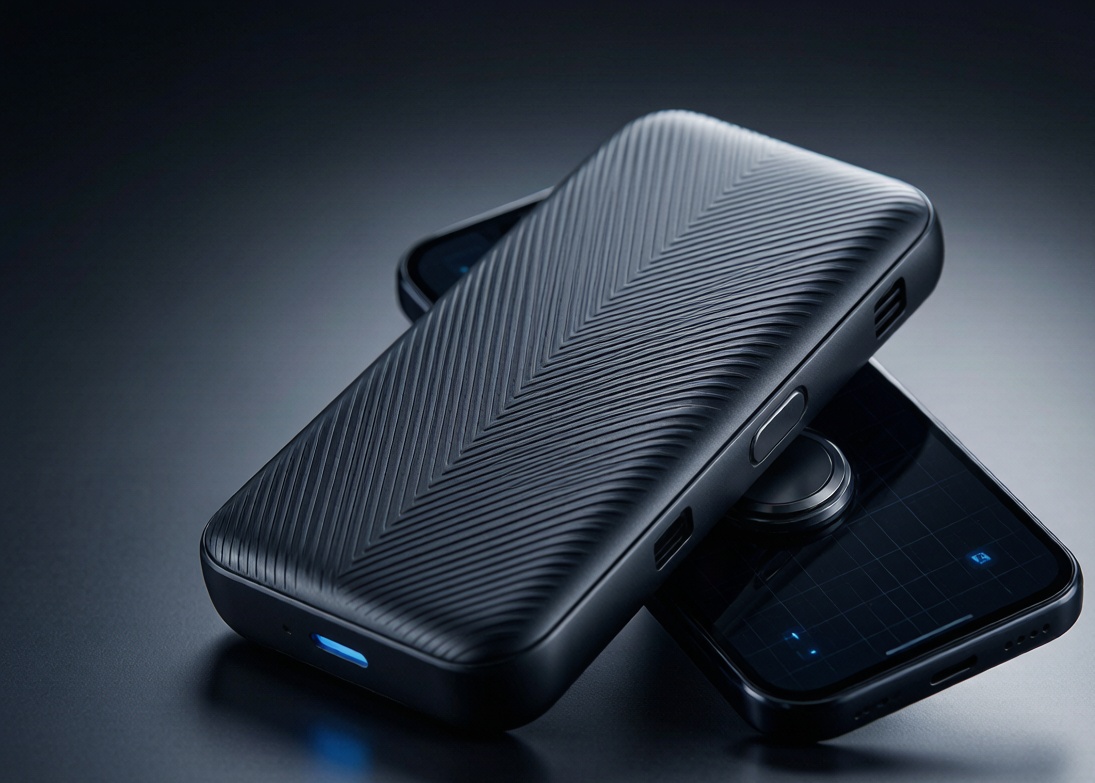
Qi2 mandates a magnetic array that guarantees alignment — the foundation of stable magnetic wireless charging. Mainstream products stack N52 neodymium cores: some use 17 magnets for 12.5N of hold, others claim 0.5mm alignment and 9N pull, staying put even through a non-magnetic case up to 6mm thick. Align well and charging stops dropping; heat stays manageable too.
Why Does Wireless Charging Get Hot? How Do GaN and Thermal Materials Help?
Heat comes mainly from coil-coupling and rectifier losses. GaN (gallium nitride) power devices cut switching loss about 50% versus silicon, so the upstream adapter runs cooler and steadier — cleaner power fed to the coil. On the device side, aerogel insulation, graphene spreaders and PID/NTC smart thermal control hold the body at 36–38°C; one maker measured a GaN input stage lowering the phone-back temperature rise by 6–8°C over 30 minutes versus a silicon driver. That is also what lets a 3-in-1 wireless charger sit quietly on a desk and sustain speed for hours.
Will Keys or Coins Cause a Fire? How Does FOD Work?
No. A compliant magnetic power bank carries FOD (Foreign Object Detection): the moment metal enters the charging zone, it cuts or reduces power within milliseconds to prevent overheating or arcing. Pair that with over-temperature protection that derates or stops at a threshold. For unattended public wireless charging and multi-device wireless charging, FOD is not a feature — it is the floor.
How Many Devices Can One Power Bank Charge at Once?
It depends on the architecture. Some combine a wireless pad, a built-in cable and a spare port to feed a phone, a watch and earbuds simultaneously (wireless output capped); others go big with Type-C×2 plus USB-A×2 to charge four devices. These multi-device wireless charger setups are moving from “emergency top-up” to “desktop primary charging.”
Under the 2026 Standard, What Should Customization and Manufacturing Brands Watch?
China's Safety Technical Specification for Power Banks (2026), GB 47372-2026, is in force and requires built-in cells to pass 12 tests including nail penetration and overcharge; magnetic power banks already hold 34% of the 2026 market. Compliance is the entry ticket, not a bonus. For brands doing design and customization and ODM/OEM, the bar is higher: cell traceability, thermal curves and FOD logic must all be verifiable and repeatable, and uncertified low-price products are being phased out fast.
© SWPO. All rights reserved.