
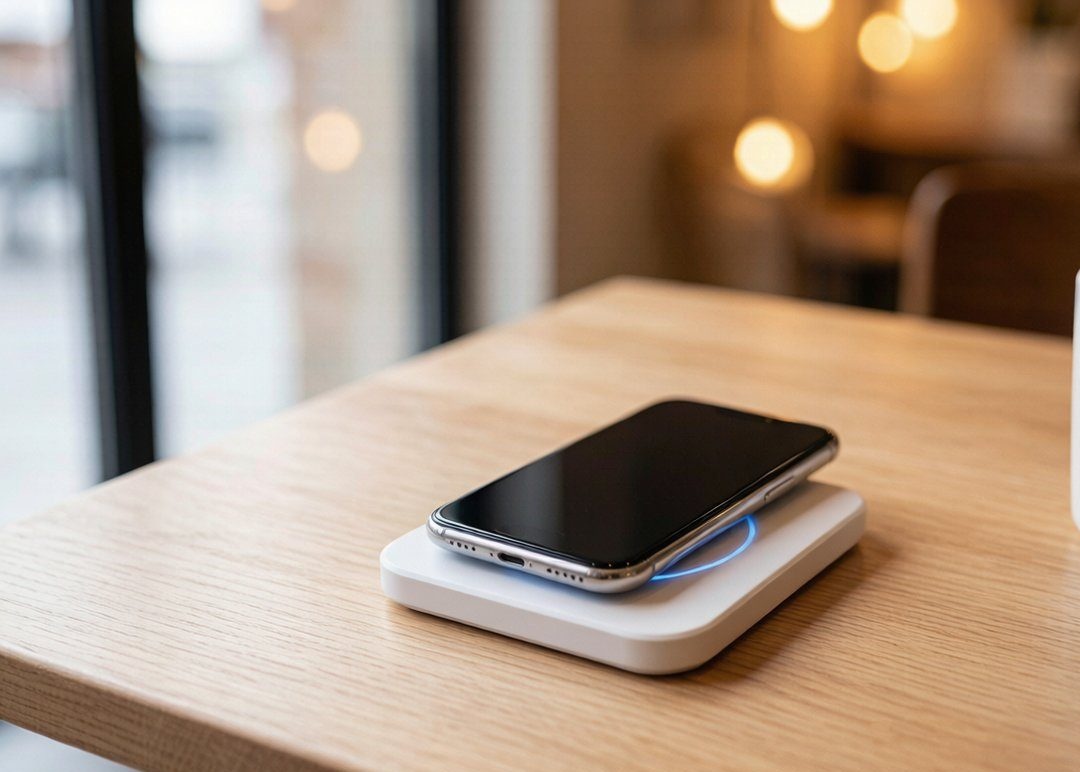
Why is in-car wireless charging almost standard on new cars?
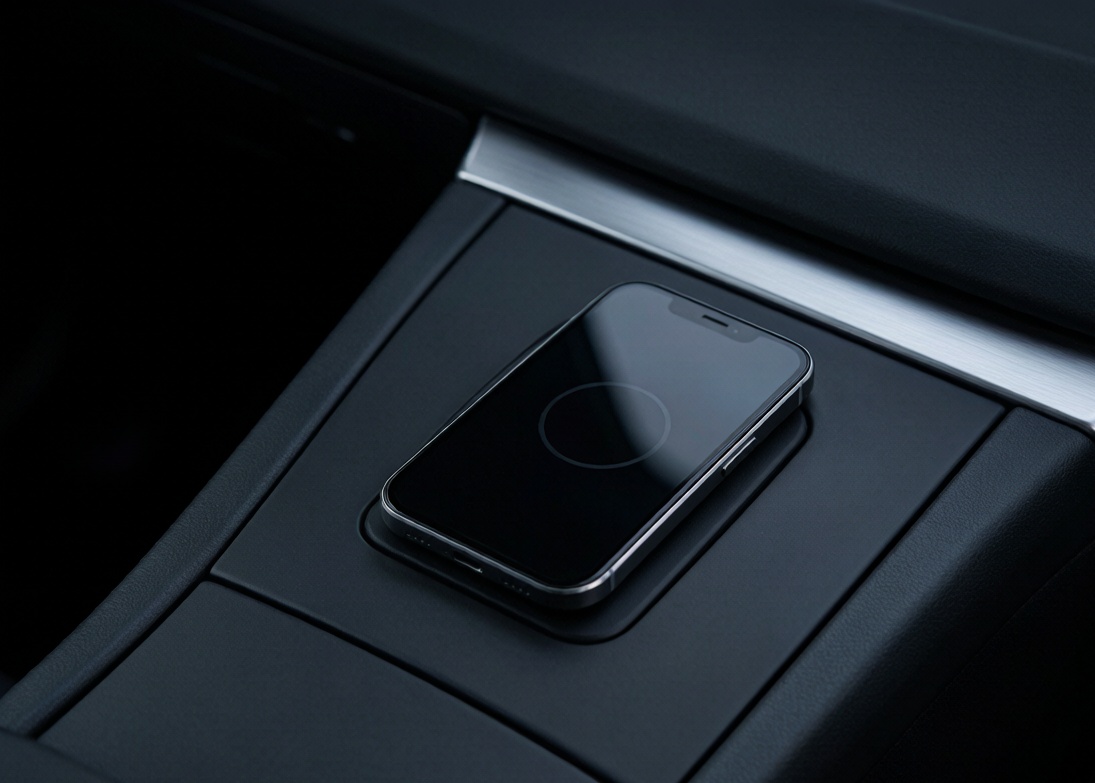
In-car wireless charging modules now come standard on 72%–82% of new energy vehicles, about 68% of luxury gas models, and as an option on roughly 45% of mainstream models. For 2026, high-end BMW, Mercedes and Tesla trims ship it standard or optional; a China smart-cockpit white paper puts the standard-fit rate for new cars above 65%, with 50W-plus fast-charging solutions now over 40% of that. It removes the everyday pain of cable clutter, worn ports and distracted driving. Today the in-car wireless charger is woven into the cockpit: status shows on the center display, the A/C kicks in to cool it, and you get a alert if you leave the phone behind.
How widely available is wireless charging in airports, hotels and cafes?
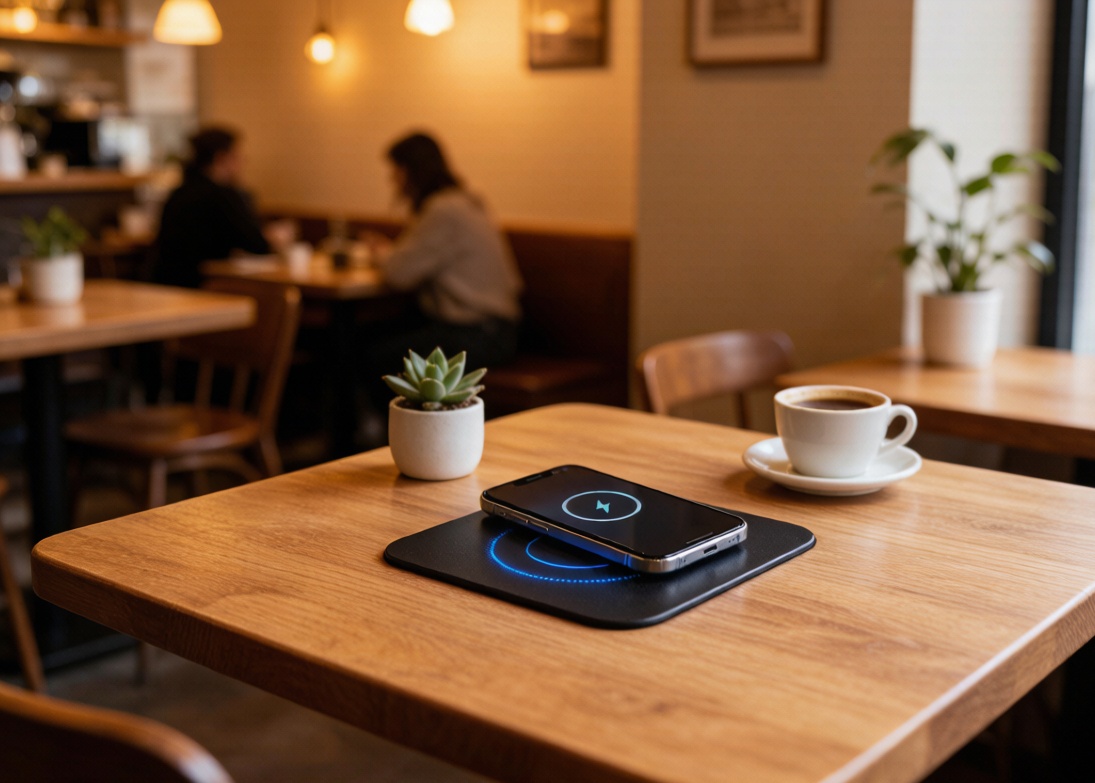
Per Elecdov's 2026 industry report, coverage reaches about 95% in airport lounges, 88% in star-rated hotels, nearly 100% at leading coffee-chain stores, and 62% in mall rest areas. Public-space charging is shifting from a gimmick to invisible infrastructure — travelers drop the phone on the table and it tops up, and for venues it is a low-cost experience upgrade.
Is public wireless charging actually fast?
Vehicle-grade public pads run 22kW–30kW, but consumer desktop and embedded pads sit at 15W–50W. On the phone side, Qi2.2 lifted magnetic wireless charging to 25W — about 30% faster than older MagSafe. Shop by protocol support (Qi2.2 / Qi2 / MagSafe) and real-world wattage, not the marketing peak. Magnetic alignment via a ring solves the old "misalignment" problem.
What is the difference between in-car and desktop wireless chargers?
Cars face tougher conditions: vibration, heat and long sessions. Good in-car units add active cooling (fan or liquid), foreign-object detection (FOD) and over-temperature/over-voltage protection, often linked to the A/C. Desktop chargers focus on multi-device charging and blending into furniture. Alignment needs differ, but magnetic auto-alignment is the shared idea.
How should travelers and venue owners choose?
For travel, a magnetic wireless power bank is the easy pick: Qi2.2 25W magnetic models now start around 79–129 yuan, snap to the phone back and can power a second device over USB-C at the same time. For venues and offices, a 3-in-1 wireless charger or multi-device charging pad tops up phone, watch and earbuds at once. Buy on certification (CCC / CE / Qi), cooling and FOD — skip uncertified, overstated cheap units.
What is trending in design, customization, manufacturing and sales?
Public-space charging is moving from standalone pads into furniture — dining tables, nightstands and bars with built-in charging zones. Design and customization are the new differentiator: brand colors, logo printing and custom shapes are all on the table. On the manufacturing and sales side, China's local supply chain (coils, power chips, magnetic materials) now exceeds 85% localization, scaling cost down to a third; ODM/OEM and custom contract manufacturing let smaller brands launch fast. For sellers, long-term reliability and compliance beat paper wattage.
© SWPO. All rights reserved.