
One set of numbers in the Adobe Analytics forecast released in late September deserves a second look from anyone selling accessories. US online retail spending for 1 November to 31 December 2026 is expected to reach $275.1 billion, up 6.7% and a record. Cyber Week, the five days from Thanksgiving through Cyber Monday, is projected at $47.5 billion, up 7.4%. Thanksgiving comes in at $6.9 billion, up 8.5%. Black Friday reaches $12.9 billion, up 9.2%, growing faster than Cyber Monday at 6.2%.
The numbers that decide production schedules sit in October. Adobe expects $95.8 billion in US online spending that month, up 8%, with roughly $9.9 billion of it landing during Amazon's Prime Day event on 6-7 October, up 9.2%. Adobe's own framing is that this pre-season event has changed the shape of the holiday season, pushing US retailers to manage promotions and inventory earlier. In supply chain language: if you are still waiting for Black Friday to stock shelves, the first wave is already gone.
How the discount curve runs, and when to move on price
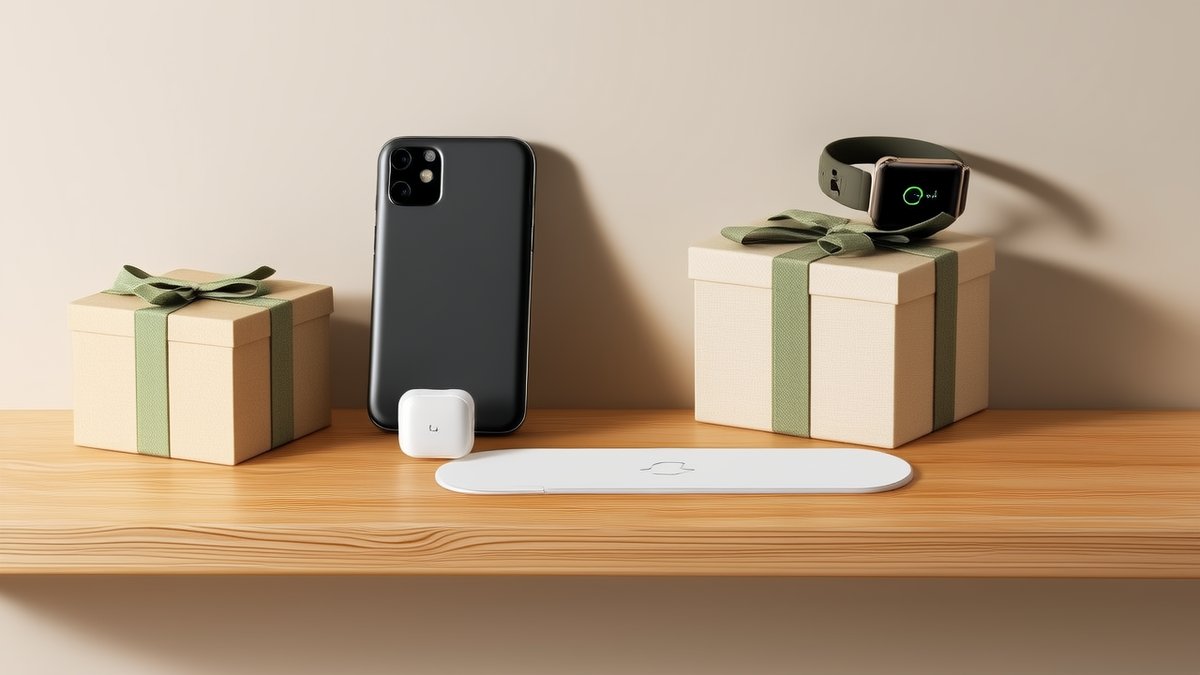
Adobe projects discounts of up to 30% during Cyber Week, about 14% in early November, 21% before Thanksgiving, then 10% to 15% through December. That curve matters more for wireless chargers and magnetic power banks than for big-ticket items. These are low-ticket, fast-decision products. Shoppers are not waiting for a historic low, they buy when the price looks right, and the deepest discount window is exactly when traffic costs the most.
The other shift is what people buy. US shoppers are using holiday discounts to stock up on staples this year: during Cyber Week, personal care sales are projected to run 150% above the September average, clothing basics up 210%, baby products up 113% and pet products up 93%. Among gift categories, electronics stays the largest online category at $63.3 billion, while toys reach $9.6 billion, up 9.6%. Mobile is expected to account for 57.4% of holiday spending overall and a record 63% on Thanksgiving Day. Accessories already convert well on mobile, and page speed plus clear product photography decide the sale.
The phone replacement cycle is the real base load
Adobe's list of expected best-sellers this season includes the iPhone 18 Pro, Google Pixel 11, Samsung Galaxy S26 and Z Fold 8, AirPods Pro 4, Meta AI glasses and the Oura Ring 5. Read that list again and it is essentially the install base for Qi2.2 magnetic charging: WPC passed 600 certified Qi2.2 products in July 2026, and 25W magnetic is now the flagship baseline. Once a new phone is in hand, the first thing most buyers add is not a case but charging. That puts a demand wave for charging pads, magnetic power banks and 3-in-1 stands into November and December, lagging phone sales by weeks.
One more figure is worth filing separately. Adobe expects AI-driven traffic to US retail websites to rise 130% this season, while affiliate and social channels grow their revenue share by 12% and 17%. Product pages that are structured and quotable now convert directly into traffic. Spelling out the specs, labelling the certifications and matching model numbers to devices pays better than buying one more ad slot.
For wireless charging brands, the practical takeaway is short. The October pre-season wave is already running. The job now is not to wait for Black Friday but to have main SKUs in stock, certification details published and mobile pages ready, so you can sell into the modest 14% to 21% November window instead of trading blows during the 30% Cyber Week scrum.
© SWPO. All rights reserved.