
India's market has produced plenty of magnetic power banks over the past two years, but almost all of them stopped at 15W of wireless output. In September 2026, UltraProlink's Juice-Up Prime raised that number to 25W: 10000mAh, Qi2.2 certified, 38.5Wh, 16.9mm thick and 203 grams, priced at Rs 3,999, designed and made in India with BIS certification. Earlier the same month, Xiaomi launched its own magnetic power bank series in India, including a Magnetic Power Bank 10000 with Qi2.2 support, 45W wired output, a built-in cable and a stated 13N magnetic hold. Put the two together and the point is not the spec sheet: Qi2.2 has moved, for the first time in an emerging market, from standard documents to something on a shelf.
What Qi2 did was write magnetic alignment into an open standard, which is why Android phones can use magnetic accessories at all. Qi2.2 pushed further, lifting the ceiling from 15W to 25W. And 25W works over magnets not because power is dumped in, but because the magnets force the coils to centre. Misalign the coils and the energy turns into heat; magnets solve the centring, which is what makes higher wattage practical without cooking the battery.
The bank gives 25W, but only if the case does too
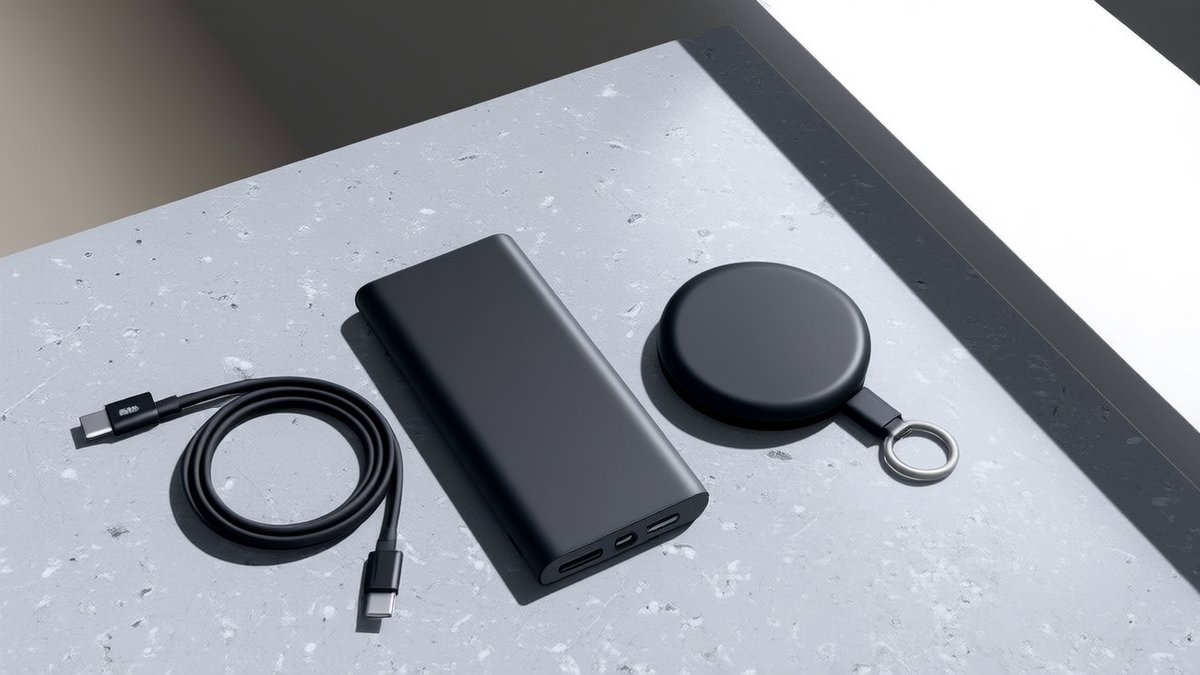
That is the real hurdle in India right now. A Qi2.2 power bank holds onto the phone with magnets, but the vast majority of Android phones sold there have no magnet array inside, so the ring has to live in the case. Stick a 25W magnetic bank on an Android phone in an ordinary silicone case and one of two things happens: it falls off, or it clings weakly and misaligns - and misalignment means slow charging and heat. Put the same phone in a case with a proper magnet ring and it snaps into place and charges at the rate it should. The 2026 flagship compatibility guides confirm this again and again: Apple builds MagSafe into the back glass of the iPhone 18, no case needed; Samsung's Galaxy Z Fold 8 and Z Flip 8 family need a magnetic case to reach 25W; Google builds a Pixelsnap ring into the Pixel 10 and Pixel 11 chassis. In a mixed household, whether one Qi2.2 25W dock can serve three phones at once comes down to whether those two Android devices switched cases.
For accessory makers, that is an opening rather than a problem. Room on the power bank side has been squeezed thin by certification costs and price wars, while cases, magnet rings and swappable back panels that let an older phone go magnetic are cheaper to make and get replaced far more often. Local mandatory certification such as BIS shuts grey imports out of the channel, which lifts legitimate cases and banks together.
Local manufacturing and certification are redrawing the price line
Two details are worth keeping. The first is the 38.5Wh figure: comfortably under the 100Wh cabin-baggage threshold, which says flight-friendly was a design-stage selling point, not an afterthought - a genuine reason to buy in a year when airlines keep tightening the screws on power banks. The second is that designed and made in India plus BIS certification was written into the launch material, which means the 25W magnetic tier is turning from an imported enthusiast accessory into a locally mass-produced commodity. Once the price sits near Rs 4,000 and the channel reaches Amazon and physical stores, the customer is no longer an enthusiast but an ordinary buyer.
In one line: Qi2.2's arrival in India is not a technical document, it is two things happening at once - the power bank side filled in the wattage and the certification, and the accessory side has not caught up. Whoever solves the case first holds the ticket into this round of the magnetic ecosystem.
© SWPO. All rights reserved.