
If you have shopped for a magnetic power bank lately, you may have noticed a shift: many 2026 models no longer ask you to carry a separate cable, they build a USB-C cord right into the body, tucked along the edge and pulled out when needed. Xiaomi's Magnetic Power Bank 10000 25W (Integrated Cable), launched in India in September 2026, follows this path - 10000mAh, Qi2.2 25W magnetic wireless charging, and the cable stowed away. It looks like a small convenience, but underneath it signals a real upgrade in how the power bank's internals are wired.
Earlier magnetic power banks had a mainboard doing two jobs: fire power out through the coil and manage the battery. Add a wired fast charge for a second device and you needed another cable and another protocol path. Building the cable into the body means the inside now runs four logics at once - wireless transmit, USB-C fast charge, battery buck-boost and whole-unit power management. The chip stops only transmitting and becomes a small system coordinating wireless charging, fast-charge protocols and battery management.
Pass-through: plugged in, it still feeds your phone
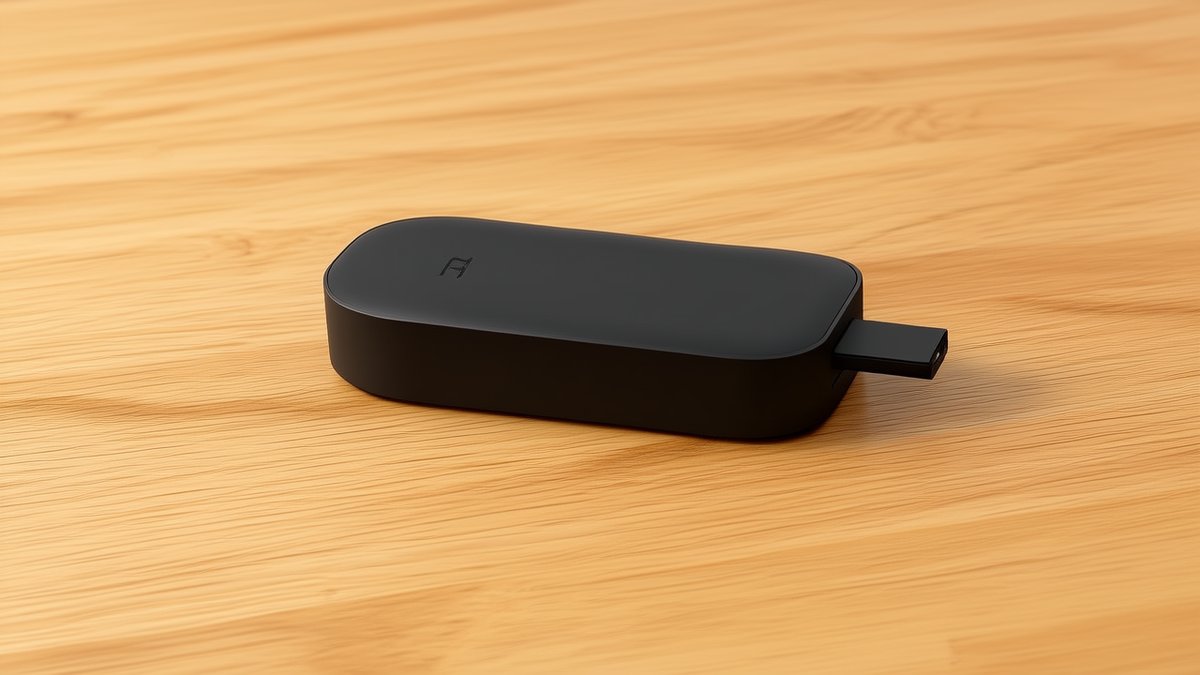
That built-in cable also earns a more useful identity - pass-through charging. Simply put, when you connect the bank to a wall charger, it tops itself up while still charging the phone through the wired port or the magnetic face, effectively turning the bank into a 2-in-1 stand: a wireless pad plus a wired port. Makers of Qi2 accessories, in their 2026 sourcing guides, list this as the feature first-time buyers most overlook yet least want to give up. For travel and the nightstand, it means one device on the desk powers the phone, the earbuds and the bank itself.
Two devices draw at once, how is power split
The catch is power sharing. The bank's total output is capped, so when the phone pulls 25W over magnetic wireless and a second device wants 30W over wire, the internal manager has to make trade-offs. Xiaomi's unit drops each port to 15W when both wired ports are used - fine for an overnight trickle, not a sprint - while the built-in cable alone can push 45W wired. In other words, wireless and wired are separate budgets, and stacking them does not magically double total power; what must drop, drops.
See this and you understand why picking a 2026 magnetic power bank cannot be only about capacity and watts. Whether the cable is built in, whether it passes through, and how much each device gets when two draw together are the real questions that decide if it is good to live with. Look for Qi2.2 certification and read the multi-device power table before comparing 10000mAh against 20000mAh.
© SWPO. All rights reserved.